

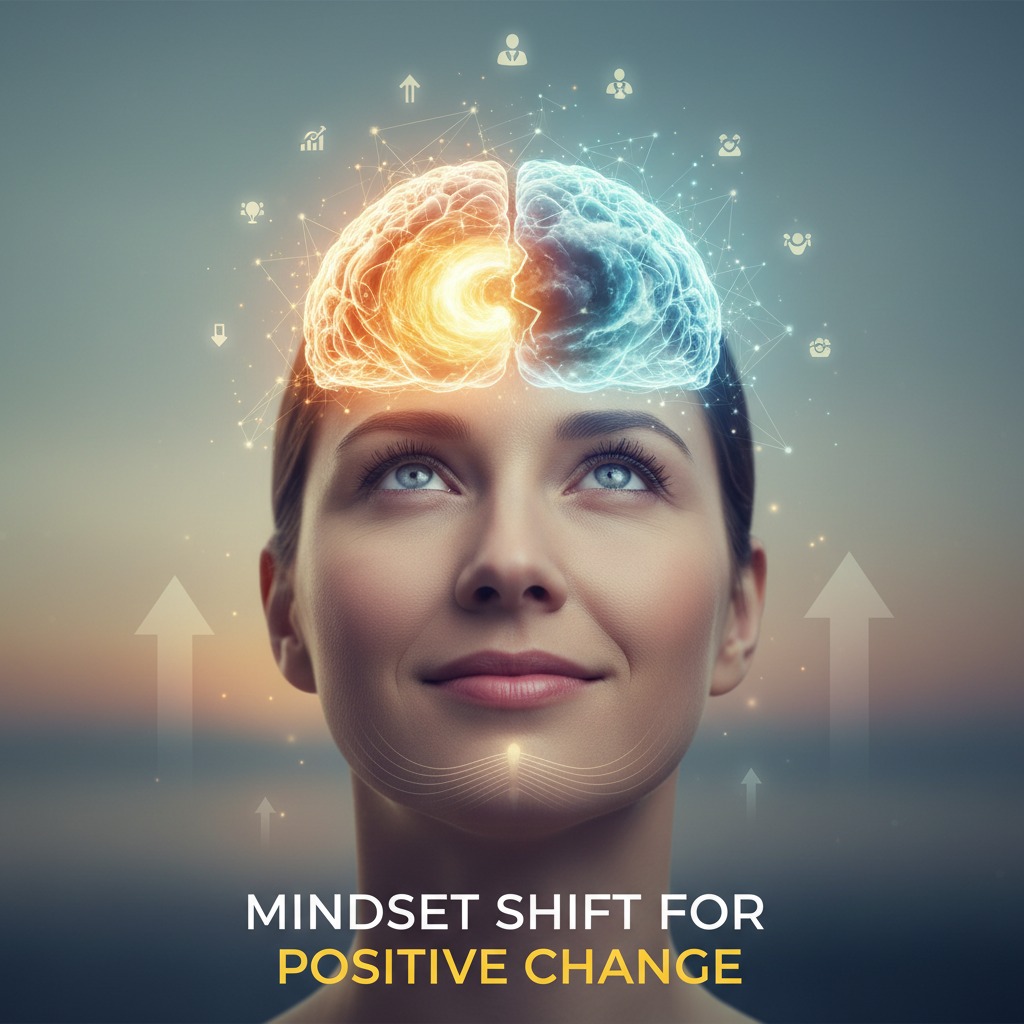
Have you ever found yourself uttering the words, “I can’t do this”? Maybe it was when you were considering launching a new business, trying to master a new skill, applying for a job that seemed out of reach, preparing to speak in front of an audience, or chasing a dream that felt overwhelmingly large. For countless individuals, the phrase “I can’t” quietly becomes an invisible wall, subtly blocking progress and stifling potential. At first, it might seem like a harmless expression, but as time goes on, it molds the way we perceive ourselves and the opportunities that life presents.
The transformation from saying “I can’t” to confidently declaring “I have” is one of the most profound and empowering changes anyone can undergo. This shift is not about pretending obstacles don’t exist or ignoring difficulties. Rather, it’s about cultivating the mindset, developing effective habits, and building the confidence necessary to move beyond limitations and open doors to new possibilities.
The language we use every day has a far greater impact on our thoughts than we often realize. When a person repeatedly tells themselves, “I can’t,” their brain starts to accept this as an absolute truth. The mind begins searching for reasons to justify this belief and to confirm that the limitation is real.
Consider these common declarations:
Though these statements might seem like facts, they are frequently just assumptions or fears disguised as truths.
Now, compare the above with these alternative perspectives:
The challenge itself hasn’t changed, but the way it’s viewed shifts dramatically.
The mindset of “I can’t” typically springs from three primary sources:
- Fear of Failure
Many individuals hesitate to try new things because they’re afraid of making mistakes or falling short. It feels safer to say, “I can’t do this,” than to risk facing the possibility of failure. Yet, every successful person has stumbled and failed numerous times before achieving their goals. Failure shouldn’t be seen as proof of inability; instead, it’s often evidence that you’re willing to take risks and learn.
- Past Negative Experiences
A single disappointing event—whether it’s failing a test, losing money in a business venture, or experiencing rejection—can leave lingering doubts about one’s capabilities. These past setbacks can create a strong narrative of self-doubt. However, one negative experience does not dictate your future. Every day is a fresh chance to learn, grow, and improve.
- Comparison with Others
In the age of social media, it’s incredibly easy to compare our beginnings with other people’s successes. We often see polished achievements and feel discouraged by our own progress, forgetting that behind every success story lies years of hard work, setbacks, and perseverance. Your path is unique, and comparing it to someone else’s timeline only breeds unnecessary frustration and discouragement.
Saying “I have” signals ownership, accomplishment, and forward momentum.
Look at the difference in these examples:
Do you notice the shift?
The focus moves away from what is lacking and instead highlights what has already been achieved. This subtle change can generate powerful momentum. Rather than getting stuck in limitation, you begin to recognize and celebrate growth.
Transitioning from “I can’t” to “I have” takes deliberate and consistent effort. Here are some actionable strategies to help you make this change:
- Question Negative Self-Talk
Whenever you catch yourself saying, “I can’t,” pause and ask:
Most of the time, you’ll find that the obstacle exists more in your mind than in reality.
- Celebrate Small Victories
Success is rarely a sudden leap forward. It’s usually the sum of many small, incremental wins. If your goal is to improve your health, take pride in drinking an extra glass of water today. If your aim is career advancement, celebrate completing a course or mastering a new skill. These small wins build confidence, which then propels you toward larger achievements.
- Maintain a Progress Journal
One reason people feel stuck is that they lose sight of how far they’ve come. Take a few minutes each week to jot down:
Over time, this journal becomes a powerful testament to your growth and progress.
- Replace Limiting Language
Each time you catch yourself saying:
Make it a habit to replace it with:
This simple shift in language can gradually reshape your mindset and open new doors.
- Embrace Imperfect Action
Many hesitate to act until they feel completely ready. The truth is, confidence often follows action, not the other way around. You don’t need perfect conditions to begin. Start with what you know and improve as you go.
A common misconception about personal development is the belief that transformation happens instantly. In reality, true growth is often invisible at the start.
Think about planting a seed. For weeks, nothing appears to happen above the soil, yet beneath the surface, roots are growing and strengthening. Personal growth functions in much the same way. The books you read, the skills you practice, the habits you nurture, and the lessons you absorb all lay the groundwork for future success. Eventually, your efforts will manifest in visible, meaningful progress.
When you begin to focus on what you already have instead of what you lack, remarkable things start to happen.
You become more aware of:
This change in perspective doesn’t erase challenges, but it profoundly alters how you respond to them. Instead of feeling helpless, you feel empowered. Instead of viewing obstacles as barriers, you see them as opportunities. Instead of fixating on limitations, your attention shifts to possibilities.
The journey from “I can’t” to “I have” is much more than a simple change in words—it’s a fundamental shift in how you see yourself and the world around you. Every accomplishment begins with the choice to believe that growth is achievable. You might not have all the answers today, and you may not be where you want to be yet. But chances are, you’ve already traveled much farther than you realize.
The next time you hear yourself say, “I can’t,” pause and reflect on your journey. Ask yourself: What lessons have I learned? What challenges have I overcome? What strengths have I developed?
You may be surprised to discover that the person who once said “I can’t” has already evolved into someone who confidently says, “I have.”