
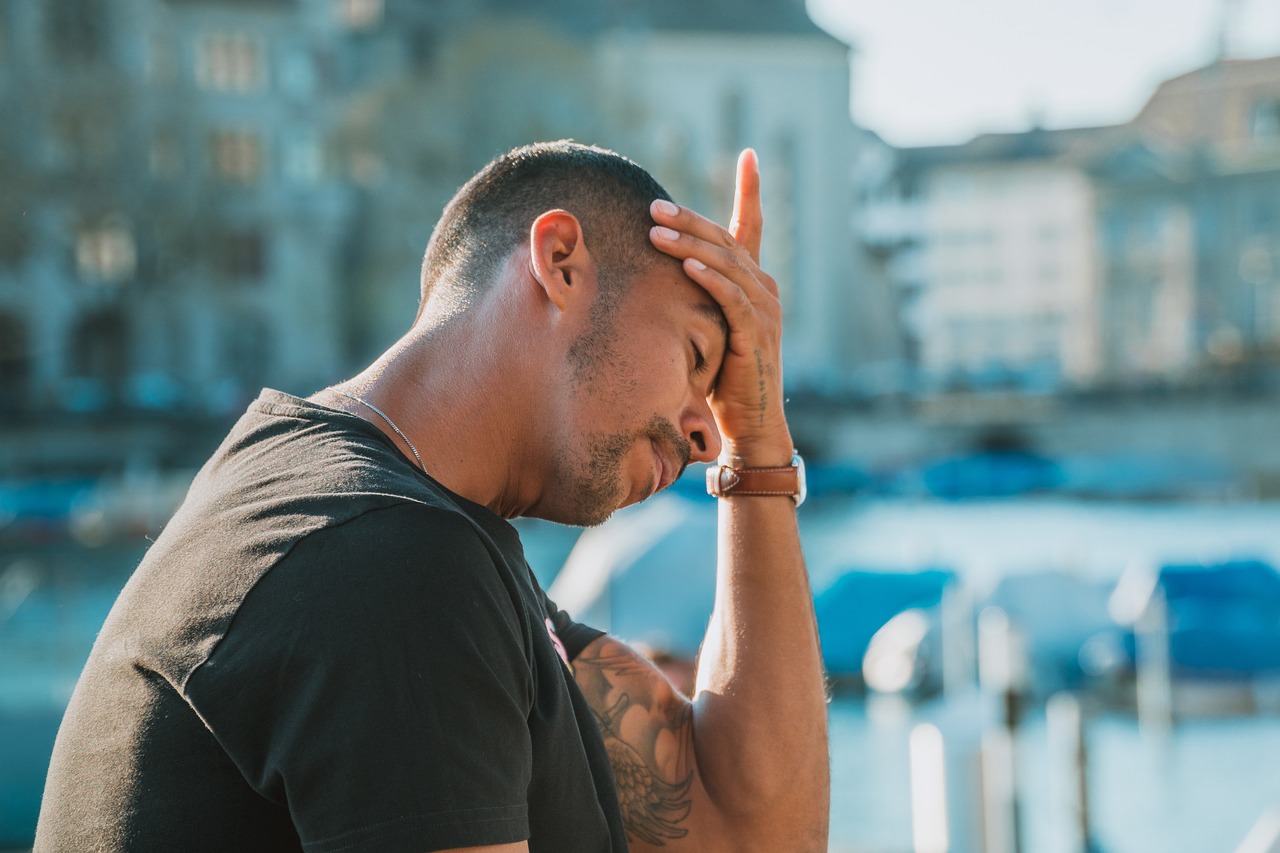
Depression and panic attacks can feel like an overwhelming storm that takes over every moment of your life. It can start your day with a heavy weight on your chest and follow you relentlessly, shaping your thoughts and emotions in impossible ways to escape. For more than ten years, I wrestled with depression and panic attacks, and at my worst, I barely left my bedroom except to see the doctor. The panic attacks came so frequently, sometimes five or six times a day, that I felt trapped inside my own mind and body.
Looking back, I realize that one of the most powerful contributors to my suffering was the way I thought of my experiences. Our thoughts have an incredible impact on how we feel, and when those thoughts become negative or distorted, they can fuel depression and anxiety, making recovery feel out of reach. It took me years to understand this connection, but once I did, it became a turning point in my healing journey.
Panic attacks, often called “fight or flight” responses, are the body’s natural reaction to danger. When faced with a real threat, like an intruder or an accident, your body gears up to protect you. Your heart starts pounding, your muscles tighten, and a surge of adrenaline rushes through you, getting you ready to either face the threat head-on or make a quick escape.

Understanding Panic Attacks: When the Body’s Alarm System Misfires
Panic attacks are more than just fleeting moments of fear; they represent a complex interplay between the mind and body that can feel utterly overwhelming. Imagine your body’s internal alarm system suddenly blaring at full volume without any actual danger present. This is essentially what happens during a panic attack. The physiological response, designed to protect us from threats, becomes disconnected from reality, triggering intense fear and a cascade of physical symptoms such as a racing heart, difficulty breathing, dizziness, and a crushing sense of impending doom. These experiences can feel like an uncontrollable storm raging inside both the body and mind, leaving those who suffer from them confused, terrified, and desperate for relief.
What makes panic attacks particularly challenging is their unpredictability and intensity. They can strike without warning, sometimes in the middle of mundane daily activities or even during restful moments. This unpredictability often breeds an additional layer of anxiety, fear of the next panic attack, which can create a vicious cycle that is hard to break. Understanding that panic attacks are not signs of physical illness or sudden disaster, but rather the body’s misinterpretation of danger signals, is a crucial foundation for anyone seeking to regain control.
My Personal Journey: Identifying Triggers and Recognizing Patterns
Reflecting on my own experience with panic attacks, I realized that they often stemmed from a deep, seated feeling of losing control, whether it was control over my environment, my emotions, or the trajectory of my life. This sensation of helplessness opened the door for fear to take hold and spiral out of control. Uncertainty became a constant companion, and my mind would race, spinning out worst-case scenarios that felt all too real. The mental noise was exhausting, and the physical effects, tight chest, trembling hands, and dizziness, felt impossible to escape.
Through therapy, I began to see panic attacks not as overwhelming forces I had to endure passively but as experiences I could observe and manage. One technique that transformed my approach was learning to rate the severity of a panic attack on a scale from one to ten. Instead of succumbing to the all-consuming wave of panic, I would pause and mentally assess, “Right now, this feels like a six.” This simple act of labelling helped me create a mental distance from the attack. It gave me a foothold amidst the chaos, a way to watch the storm rather than be swept away by it. Over time, this practice became a vital part of my toolkit, providing a sense of agency and calm when fear threatened to take over.
Building Body Awareness: The Foundation for Calming Physical Symptoms
Panic attacks don’t just exist in the mind; they manifest vividly in the body. Developing an awareness of physical sensations became essential in learning how to interrupt the progression of an attack. I started paying close attention to subtle cues, a sudden stiffness in my neck, tension creeping into my shoulders, or a tightness in my stomach. These early warning signs were invaluable because they allowed me to intervene before the panic spiraled out of control.
One of the most effective strategies I embraced was progressive muscle relaxation. This method involves systematically tensing and then relaxing different muscle groups, which not only helped me release physical tension but also anchored me in the present moment. By regularly practicing this technique, I could reduce the severity of physical symptoms and, in many cases, prevent a full-blown panic attack from developing. More than a relaxation exercise, it became a way to reconnect with my body in a compassionate and mindful way.
Breathing and Movement: Grounding Yourself in the Present Moment
Hyperventilation, rapid, shallow breathing, is a hallmark of panic attacks and can worsen feelings of dizziness, lightheadedness, and panic itself. Learning to regulate my breath was a game changer. I discovered that even small movements, like standing up, walking around, or gently shifting my posture, helped calm my nervous system and regulate my breathing.
One simple but effective method I used was breathing into a paper bag. This old-school technique helps balance oxygen and carbon dioxide levels in the blood, counteracting the effects of hyperventilation. While not a cure, coupling controlled breathing exercises with gentle physical movement provided a reliable anchor during moments of intense panic. These strategies helped me reclaim a sense of control when my body felt like it was betraying me.
Breaking Free from the Mental Hamster Wheel: Stopping the Cycle of Worry
Living with anxiety and depression often means grappling with relentless worry, a mental hamster wheel that spins endlessly without resolution. I found that worrying was exhausting and counterproductive. The more I gave in to anxious thoughts, the more trapped and fatigued I felt. Yet, the worries themselves never fixed problems; they only deepened my distress.
Therapy helped me understand that worry is often a symptom, not the root cause, of anxiety and depression. Worry feeds on itself, creating a self-perpetuating loop of fear and hopelessness. Learning to interrupt this pattern was one of the most difficult but rewarding aspects of my healing process.
I developed a habit of catching myself at the earliest signs of spiraling thoughts. This required patience and mindfulness, skills I had to cultivate deliberately. Instead of letting worries consume my attention, I practiced acknowledging them and then consciously letting them go. Reminding myself that not every thought deserved my energy was liberating. Over time, this mindset shift made my mind feel lighter, more resilient, and less prone to overwhelm.
The Vital Connection Between Physical Health and Mental Wellness
Mental health is deeply connected to physical well-being. I came to realize that caring for my body was a necessary part of managing anxiety and depression. Sleep, in particular, emerged as a cornerstone of mental wellness. Poor sleep exacerbates symptoms, making everything feel harder to bear. To improve my rest, I created a calming bedtime routine, dimmed lights, screen-free time, and gentle stretching, that signaled to my body it was time to unwind. On nights when sleep didn’t come easily, I made a point to “bank” rest by prioritizing extra sleep the following night, which helped soften the impact of occasional sleeplessness.
Nutrition also played a crucial role. Eating balanced meals rich in whole foods, lean proteins, fresh fruits, vegetables, and healthy fats nourished my body and mind. I noticed that when I neglected proper nutrition, my energy dipped and my anxiety flared. Taking care of my physical health became not a chore but an act of self-respect and empowerment.
When symptoms became too intense to manage alone, I sought help from healthcare professionals without hesitation. Medication, when prescribed thoughtfully and combined with therapy and lifestyle adjustments, offered valuable support. Recognizing when to ask for this help and embracing it without shame was a pivotal moment in my recovery.
A Mindset Shift: Embracing a Daily Commitment to Healing
Ultimately, recovering from panic attacks, anxiety, and depression demanded a profound mindset shift. I had to confront a fundamental question: “Do I truly want to get better?” Answering yes wasn’t a one-time choice but an ongoing commitment to face my challenges head-on with courage and self-compassion.
Healing is rarely a straight path. There were days filled with progress and hope, and others shadowed by setbacks and frustration. Accepting this ebb and flow helped me be kinder to myself. I learned to live one day at a time, focusing on what I could control, my thoughts, my actions, and my self-care, rather than agonizing over what lay beyond my influence.
A Message of Hope: You Are Not Alone
If you’re struggling with panic attacks, anxiety, or depression, it’s important to remember that you are not alone. These experiences can feel isolating, but countless others share your journey and have found paths to healing. Your thoughts are powerful, and learning to understand and manage them is a crucial step toward reclaiming your life.
Recovery requires patience, persistence, and support. Reach out to trusted friends, family, or mental health professionals. Celebrate every small victory; each one is a meaningful step forward. Healing is possible. With time, effort, and kindness toward yourself, brighter days will come. You possess the strength to navigate this journey. Take it one moment at a time and hold onto hope; it’s always within reach.






One Comment
I was pretty pleased to uncover this great site. I wanted to thank you for ones time
for this particularly fantastic read!! I definitely
really liked every part of it and I have you bookmarked to see new stuff on your site.